Applied volume
Compare the meter record with the approved allocation for the same cycle.
A new weather forecast, a falling moisture reading or a shared pump limit can change the order of the next watering cycle.
When readings, weather and flow limits live in different places, an operator has to reconcile them before setting the next cycle.
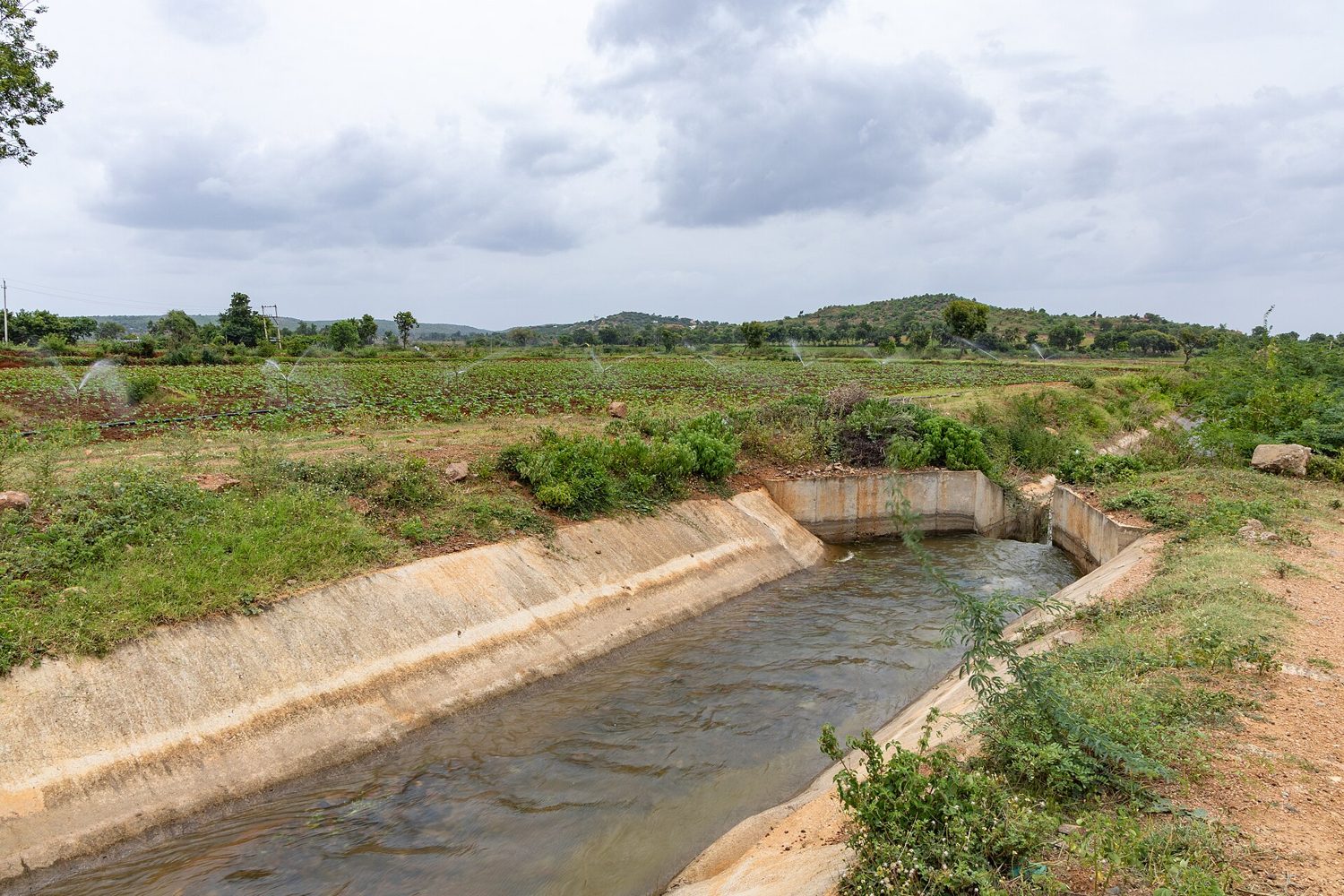
A shared pump puts each zone in competition for the same supply. Rill compares current conditions and pump capacity so the operator can review the next cycle as one plan.
The sample scenario allocates 260 m³ less across eight zones.
Compare the meter record with the approved allocation for the same cycle.
Evaluate estimates on later weather and soil readings, including gaps in sensor data.
Measure from the arrival of the latest inputs to the operator’s decision.
Bring your daily review process and see how Rill handles the next cycle.