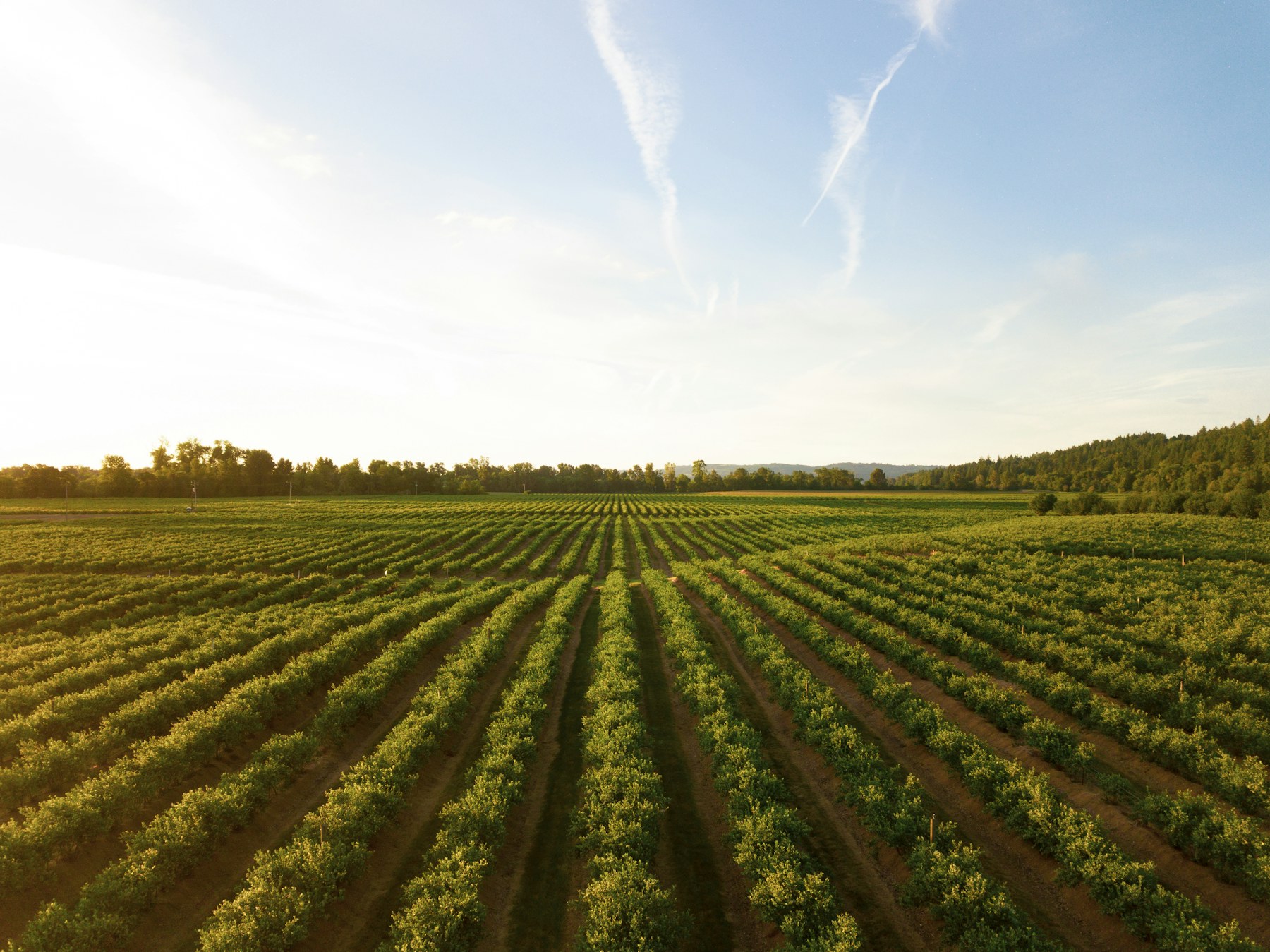
AI forecasts crop water demand and gives irrigation teams a daily zone plan.
Start with the input the team already has.
Water demand changes with the weather and crop stage. Each new forecast requires the model to reassess every active zone and compare the recommendation with available pump capacity.
For commercial farms and irrigation cooperatives. Rill combines soil readings, weather forecasts and crop stage to estimate the next watering need for each zone.
Make the review practical.
- Use the crop stage and recent soil trend, not one isolated reading.
- Recalculate when the weather forecast materially changes.
- Show the pump limit beside the water recommendation.
- Record what the operator actually applied and compare it with the plan.
One concrete example.
A prepared farm scenario allocates 1,500 m³ using a fixed weekly schedule.
A reviewed zone plan allocates 1,240 m³ using the entered assumptions and operating limits.
Confirm the sensor reading and inspect the crop before approving extra water.
Keep the decision with the responsible person.
The irrigation manager chooses the plan and records the outcome. A farm operator checks sensor quality and local conditions before any watering decision. This MVP does not control pumps.
The product’s sample workspace lets you follow that chain: source, finding, review and retained action. The example is prepared for demonstration and does not claim measured customer performance.
Try the working record